
Thermal insulation solutions in india
Industrial operations depend on efficient heat management to ensure smooth production, reduce energy consumption, and maintain safe working conditions. Without proper insulation, valuable heat escapes from equipment and pipelines, leading to higher operating costs, inconsistent process temperatures, and increased stress on industrial systems. At AK Enterprises, we provide customized thermal insulation solutions that help industries optimize performance while minimizing heat loss and energy wastage. Our team works closely with clients to understand their operational requirements and deliver insulation systems tailored to specific equipment and applications. From pipelines and storage tanks to boilers, reactors, valves, and steam systems, our solutions are designed to improve efficiency, protect assets, and support long-term industrial performance.
What is Thermal Insulation?
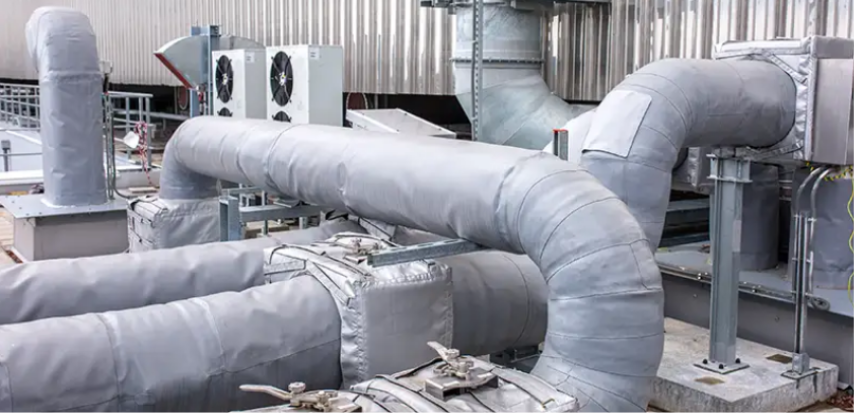
Thermal insulation is the process of applying specialized insulating materials to industrial equipment, pipelines, tanks, and process systems to control the transfer of heat. Its primary purpose is to maintain the required operating temperature by reducing unwanted heat loss or heat gain. Effective insulation not only improves process efficiency but also protects personnel from accidental contact with hot surfaces and helps maintain consistent operating conditions. Depending on the application, different insulation materials and thicknesses are selected to withstand specific temperatures and environmental conditions, ensuring reliable performance throughout the system's lifecycle.
Why Do Industries Need Thermal Insulation?
Thermal insulation plays a vital role in improving the overall efficiency and reliability of industrial facilities. By minimizing heat loss, it helps reduce fuel and energy consumption, resulting in significant cost savings over time. Maintaining stable process temperatures also improves production quality and reduces unnecessary strain on equipment, leading to lower maintenance requirements and a longer service life. In addition to operational benefits, insulation enhances workplace safety by reducing surface temperatures and minimizing the risk of burns for workers. It also supports sustainability initiatives by lowering energy usage and reducing carbon emissions, making it an essential investment for modern industries.
Where is Thermal Insulation Used?
Thermal insulation is widely used across industries where temperature control is essential for efficient and safe operations. It is commonly installed on pipelines, boilers, reactors, storage tanks, heat exchangers, furnaces, valves, steam lines, and various process equipment to maintain the desired operating temperature and reduce energy loss. Industries such as chemical processing, oil & gas, power generation, pharmaceuticals, food processing, cement, steel, paper, and general manufacturing rely on thermal insulation to improve operational efficiency and protect critical assets. Regardless of the industry or application, properly designed insulation systems contribute to better process performance, increased equipment reliability, and long-term energy savings.
Our Working Process

Site Visit & Analysis
We assess your site and requirements to recommend the most suitable insulation solution.
Material Selection
We choose high-quality insulation materials based on your application and operating conditions.

Installation
Our experienced team installs the insulation with precision, ensuring quality and safety.

Testing
We thoroughly inspect and test the system to ensure optimal performance and reliability.

Completion
After final quality checks, we deliver a fully completed solution ready for efficient operation.
Frequently Asked Questions (FAQs)
Need Thermal Insulation For Your Plant ?
Whether you need thermal insulation, heat tracing, corrosion protection, or noise reduction solutions, our experts are ready to help. From consultation to project execution, AK Enterprises delivers reliable insulation and heat management solutions designed to improve efficiency, safety, and long-term performance. Connect with our team to get started.